
Address
304 North Cardinal
St. Dorchester Center, MA 02124
Work Hours
Monday to Friday: 7AM - 7PM
Weekend: 10AM - 5PM
Address
304 North Cardinal
St. Dorchester Center, MA 02124
Work Hours
Monday to Friday: 7AM - 7PM
Weekend: 10AM - 5PM

Use this aluminum profile equipment racks guide from HIQ Aluminum to review design, material, tooling, machining, quality checks and quotation requirements.
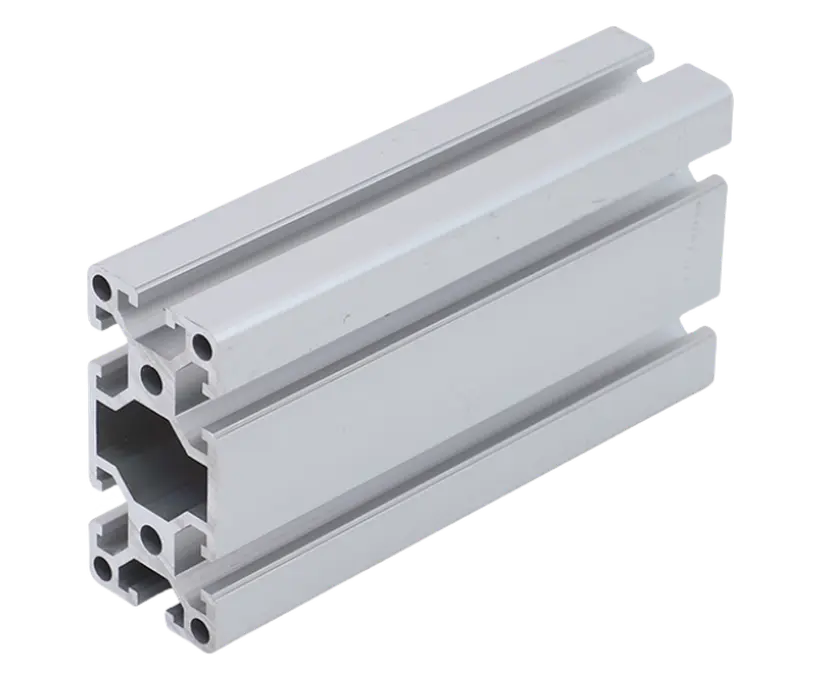
Aluminum Profile Equipment Racks is best evaluated as a complete engineering and production decision. Aluminum profile equipment racks offer a practical modular system for test stands, automation cells, control cabinets and workshop storage. Their value depends on a frame that is sized for the actual load and assembled with compatible accessories.
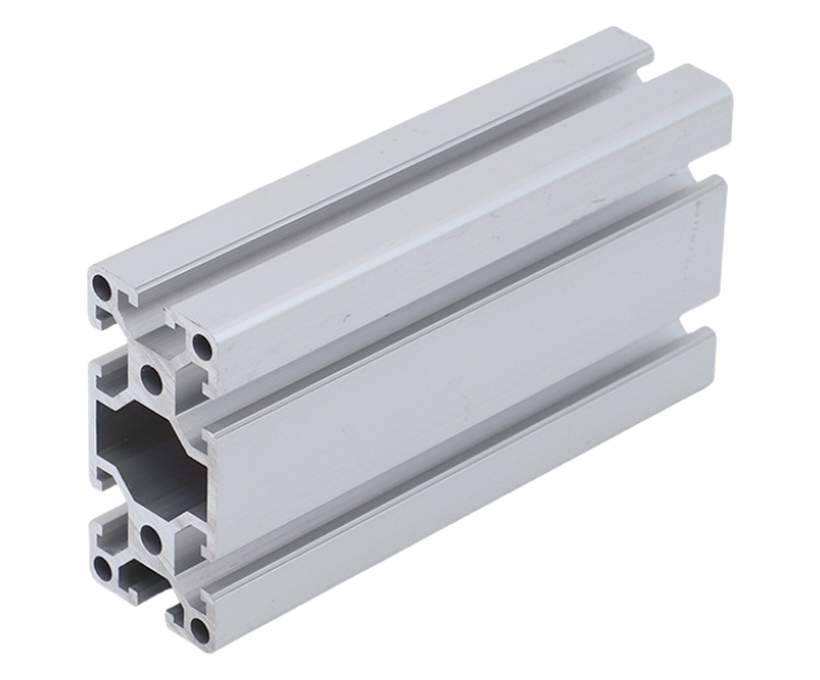
Extruded slots make it possible to adjust shelves, panels and brackets without welding. However, modularity does not replace structural checks, especially where the rack carries vibration, motors or heavy tooling. The objective is not simply to select aluminum; it is to define a repeatable component that meets fit, thermal, electrical, corrosion and assembly requirements.
Use the following points to turn the application target into a manufacturable specification:
In addition, confirm the critical dimensions with the team responsible for tooling, machining and inspection. For example, a tolerance that works on a drawing may be impractical if the datum cannot be reached during machining.
The manufacturing route should be reviewed before the die, fixture or finish is committed. A practical sequence is:
Therefore, keep the drawing, sample approval, process specification and inspection plan aligned. If one changes, check whether the others still reflect the finished component.
Inspection should focus on the characteristics that control fit and function. The exact sampling plan belongs in the approved drawing and purchase specification.
Supplier evaluation should go beyond the lowest per-kilogram price. Ask how the supplier will control the die, incoming alloy, wall thickness, straightness, machining datums and finish. In addition, confirm what is measured on the first article and what is checked during repeat production. A lower quote can become expensive if it adds sorting, rework or assembly delays.
Compare the complete production route, including tooling, samples, machining, finishing, inspection, packaging and freight. Therefore, request a quotation that separates these items and states the assumptions. This makes it easier to compare suppliers fairly and to see which design changes will reduce total cost.
Before approving production, connect the supplier’s process plan with your own assembly requirements. For example, identify the surfaces that set alignment, the threads that carry load and the finish areas that must remain free from damage. Clear acceptance criteria reduce disputes and make repeat orders more predictable.
These frames are common in factory equipment, laboratory fixtures, control rooms and maintenance workshops. The product hub includes structural profile and accessory options for a coordinated build.
Where material standards need clarification, the Aluminum Association and ASTM International publish useful references. Final acceptance criteria should still follow the approved drawing and project specification.
For a related production route, review aluminum profile accessories or HIQ aluminum product families. You can also send the drawing to the engineering team.
They can be when the sections, supports and connections are sized correctly. Use the actual load and vibration case rather than a generic capacity claim.
Yes. Slotted profiles allow shelves and brackets to be repositioned, provided the revised load path is checked.
A trial assembly is useful for fit confirmation. Final shipping can be flat-packed or partly assembled depending on handling needs.
