
Address
304 North Cardinal
St. Dorchester Center, MA 02124
Work Hours
Monday to Friday: 7AM - 7PM
Weekend: 10AM - 5PM
Address
304 North Cardinal
St. Dorchester Center, MA 02124
Work Hours
Monday to Friday: 7AM - 7PM
Weekend: 10AM - 5PM

Select aluminum copper bimetal by conductivity, bond direction, strip format, forming and application requirements for electrical assemblies.
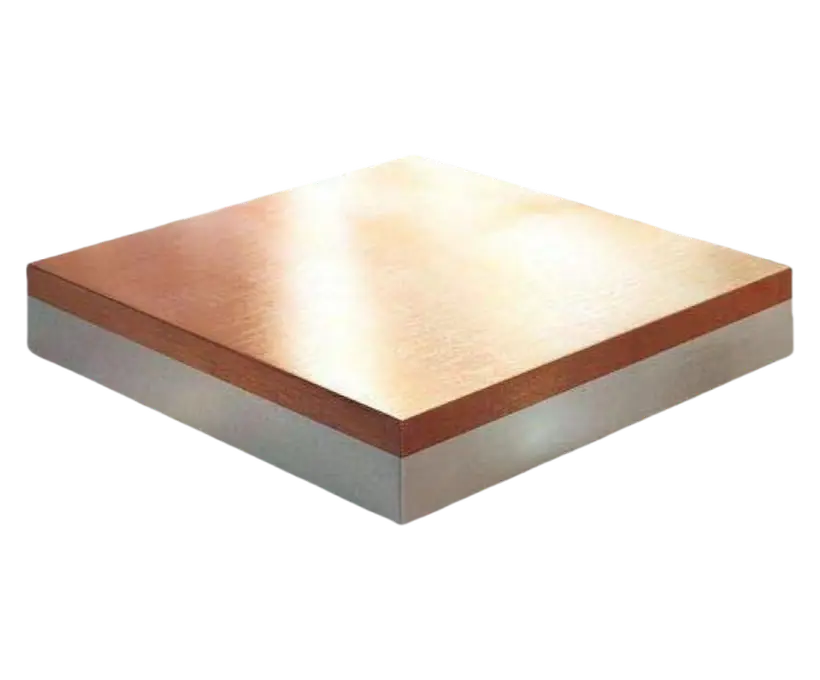
Aluminum Copper Bimetal is best evaluated as a complete engineering and production decision. Aluminum copper bimetal joins the lower weight and cost of aluminum to the electrical and thermal behavior of copper. It can simplify transition joints, although the layer ratio and forming direction must be defined carefully.
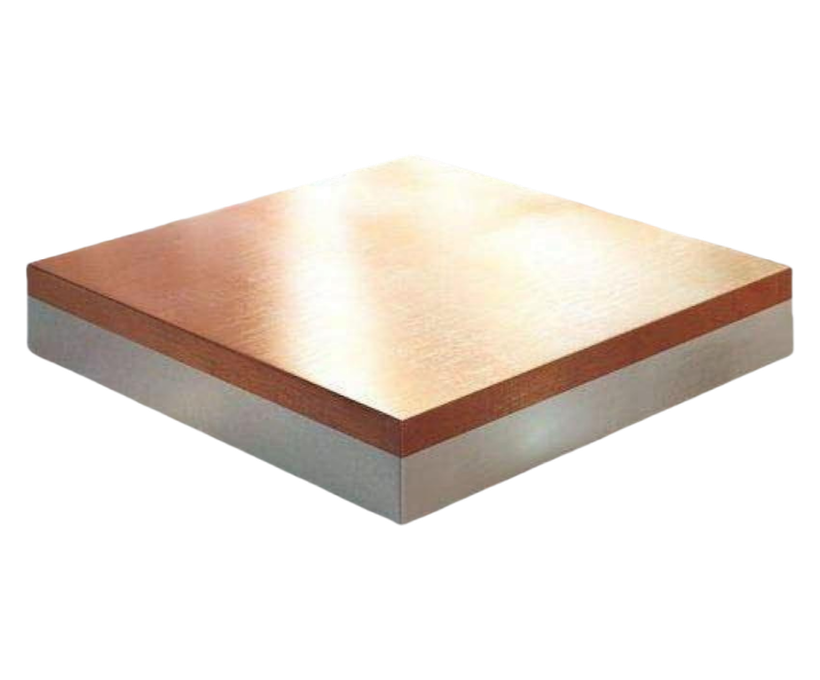
The value of the material depends on bond quality and the finished joint. Therefore, the purchase specification should state copper ratio, thickness, width, temper and the method used to inspect bond continuity. The objective is not simply to select aluminum; it is to define a repeatable component that meets fit, thermal, electrical, corrosion and assembly requirements.
Use the following points to turn the application target into a manufacturable specification:
In addition, confirm the critical dimensions with the team responsible for tooling, machining and inspection. For example, a tolerance that works on a drawing may be impractical if the datum cannot be reached during machining.
The manufacturing route should be reviewed before the die, fixture or finish is committed. A practical sequence is:
Therefore, keep the drawing, sample approval, process specification and inspection plan aligned. If one changes, check whether the others still reflect the finished component.
Inspection should focus on the characteristics that control fit and function. The exact sampling plan belongs in the approved drawing and purchase specification.
Supplier evaluation should go beyond the lowest per-kilogram price. Ask how the supplier will control the die, incoming alloy, wall thickness, straightness, machining datums and finish. In addition, confirm what is measured on the first article and what is checked during repeat production. A lower quote can become expensive if it adds sorting, rework or assembly delays.
Compare the complete production route, including tooling, samples, machining, finishing, inspection, packaging and freight. Therefore, request a quotation that separates these items and states the assumptions. This makes it easier to compare suppliers fairly and to see which design changes will reduce total cost.
Before approving production, connect the supplier’s process plan with your own assembly requirements. For example, identify the surfaces that set alignment, the threads that carry load and the finish areas that must remain free from damage. Clear acceptance criteria reduce disputes and make repeat orders more predictable.
Typical uses include battery interconnects, busbars, electrical transition joints and thermal assemblies. The material works best when the joint design is reviewed together with the strip specification.
Where material standards need clarification, the Aluminum Association and ASTM International publish useful references. Final acceptance criteria should still follow the approved drawing and project specification.
For a related production route, review aluminum-copper bimetal products or HIQ aluminum product families. You can also send the drawing to the engineering team.
It is used where a stable transition between aluminum and copper is needed, especially in power connections, busbars and battery systems.
It can be formed within the limits agreed for the material and layer arrangement. Bend direction and radius should be confirmed during qualification.
Inspection can include dimensional checks, visual review, conductivity testing, peel tests or destructive sampling, depending on the specification.
