
Address
304 North Cardinal
St. Dorchester Center, MA 02124
Work Hours
Monday to Friday: 7AM - 7PM
Weekend: 10AM - 5PM
Address
304 North Cardinal
St. Dorchester Center, MA 02124
Work Hours
Monday to Friday: 7AM - 7PM
Weekend: 10AM - 5PM

Use this water-cooled motor housing leak testing guide from HIQ Aluminum to review design, material, tooling, machining, quality checks and quotation.
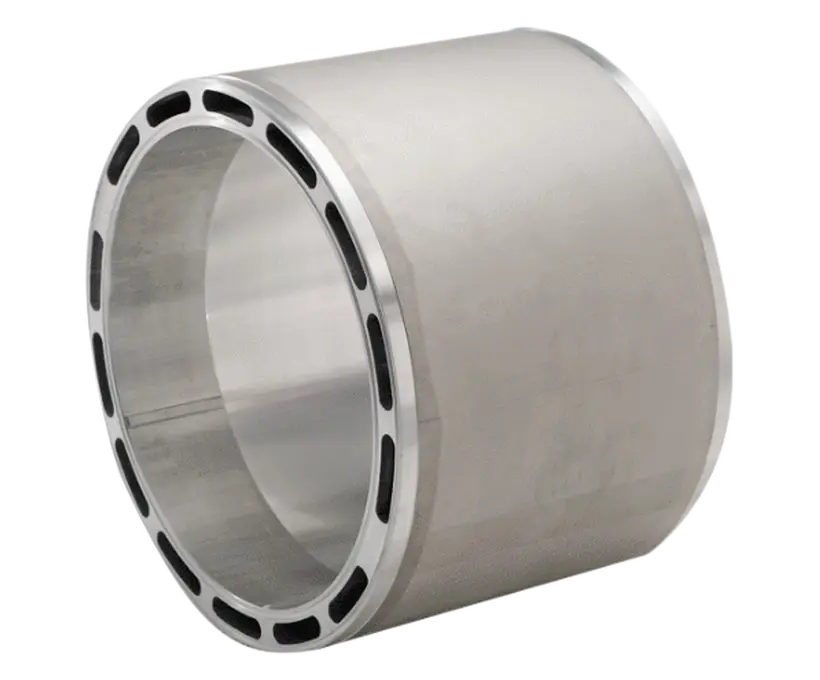
Water-Cooled Motor Housing Leak Testing is best evaluated as a complete engineering and production decision. Water-cooled motor housing leak testing proves that the coolant circuit is sealed and ready for assembly. A useful test definition includes pressure, hold time, medium, temperature and the exact acceptance limit.
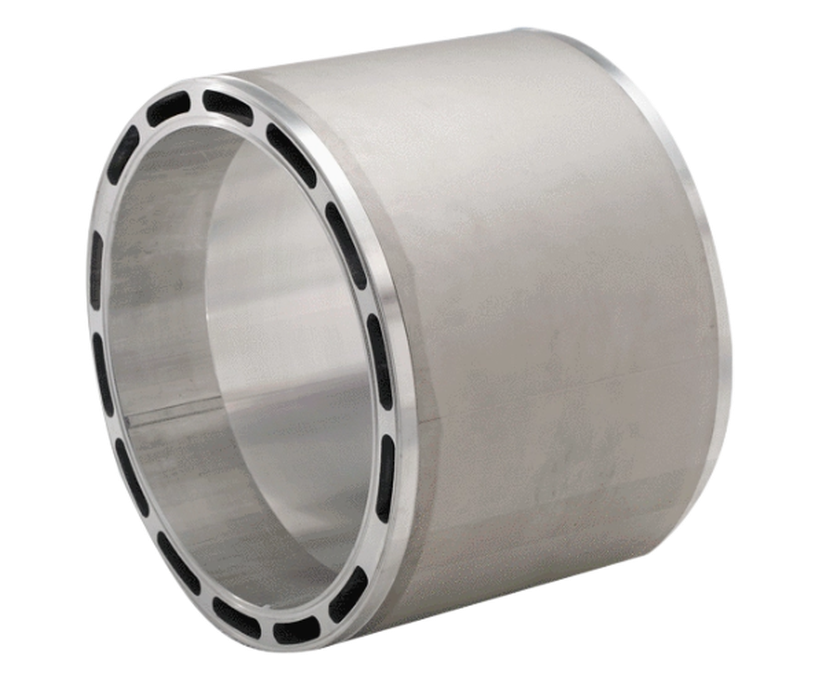
Pressure decay is common for production because it is clean and repeatable. Air-under-water can provide a visible bubble check, while flow and pressure-drop tests confirm that the coolant path is not blocked. The objective is not simply to select aluminum; it is to define a repeatable component that meets fit, thermal, electrical, corrosion and assembly requirements.
Use the following points to turn the application target into a manufacturable specification:
In addition, confirm the critical dimensions with the team responsible for tooling, machining and inspection. For example, a tolerance that works on a drawing may be impractical if the datum cannot be reached during machining.
The manufacturing route should be reviewed before the die, fixture or finish is committed. A practical sequence is:
Therefore, keep the drawing, sample approval, process specification and inspection plan aligned. If one changes, check whether the others still reflect the finished component.
Pressure decay measures the pressure loss in a sealed test volume over time. It is clean, fast and suitable for automated production, but sensitivity depends on part volume, temperature stability and the pressure transducer. A small leak in a large internal volume creates a small pressure change, so the test recipe must be validated rather than copied from another housing.
Air-under-water provides a visible indication and can help locate a leak, although immersion, drying and operator interpretation add variation. Mass-flow testing is useful when the acceptance limit is expressed as an equivalent leak rate. Helium testing can detect very small leaks when the specification justifies the cost. A separate flow or pressure-drop check is still needed when the requirement includes coolant-path blockage rather than external leakage.
Start with the maximum operating pressure and the engineering basis for the proof or test pressure. Define whether the part will see air, nitrogen, water or another medium, and specify safety controls for stored energy. Seal the ports with fixtures that do not damage threads or seal faces. Fill the circuit, allow the air and fixture to stabilize, then measure decay over a defined period.
Temperature change is a common source of false rejects because pressure moves even when the part is sealed. Keep the part and test fixture at a stable temperature, use the same fixture volume and verify the method with a calibrated leak standard. Record the test pressure, stabilization time, measurement time, leak limit and pass/fail result against a traceable part identifier.
Machining chips, welding residue and trapped moisture can block a narrow channel or create corrosion after the test. The process should include the required flush, drain and dry steps. If water is used for hydrostatic proofing, residual moisture should be controlled before the housing is closed or connected to electrical components.
Inspection should focus on the characteristics that control fit and function. The exact sampling plan belongs in the approved drawing and purchase specification.
Ask a supplier to show a leak-test specification, not simply a statement that every housing is tested. The specification should identify the method, medium, pressure, stabilization time, hold time, acceptance limit, fixture and calibration method. A pressure-loss threshold without volume and temperature context is difficult to audit.
Retain the test record with the serial number and any rework history. If a housing is repaired, repeat the full approved test rather than checking only the repaired area.
The test applies to friction-welded jackets, cold plates and other sealed aluminum cooling assemblies used in motors and power electronics.
Where pressure equipment or customer specifications apply, use the governing project standard and a calibrated test method. The Aluminum Association publishes general extrusion guidance, while the approved coolant-circuit drawing defines the actual pressure and cleanliness requirement.
For a related production route, review water-cooled motor housings or HIQ aluminum product families. You can also send the drawing to the engineering team.
Pressure decay is cleaner and easier to automate. Air-under-water can locate visible leaks but requires immersion and drying.
That depends on consequence of failure, production volume and customer requirements. Many sealed power components use 100 percent testing.
Residual water can create corrosion or electrical risk. Drain and drying requirements should be included in the process specification.
