
Address
304 North Cardinal
St. Dorchester Center, MA 02124
Work Hours
Monday to Friday: 7AM - 7PM
Weekend: 10AM - 5PM
Address
304 North Cardinal
St. Dorchester Center, MA 02124
Work Hours
Monday to Friday: 7AM - 7PM
Weekend: 10AM - 5PM

Use this 6061-T6 vs 6063-T5 motor housing guide from HIQ Aluminum to review design, material, tooling, machining, quality checks and quotation requirements.
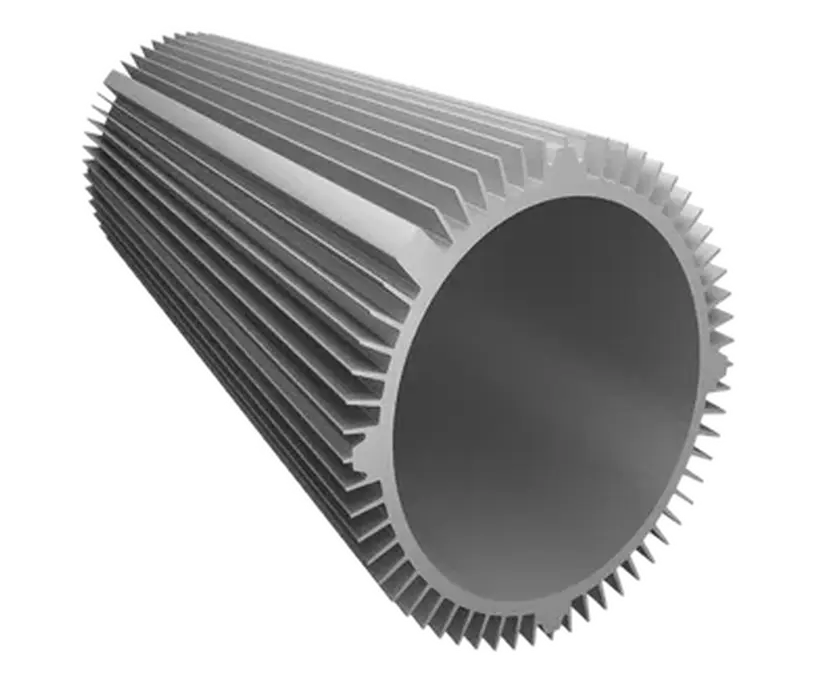
6061-T6 Vs 6063-T5 Motor Housing is best evaluated as a complete engineering and production decision. 6061-T6 vs 6063-T5 motor housing selection is a balance between strength, extrudability and finish quality. 6061-T6 offers greater strength, while 6063-T5 is easier to extrude into complex sections and often finishes more uniformly.
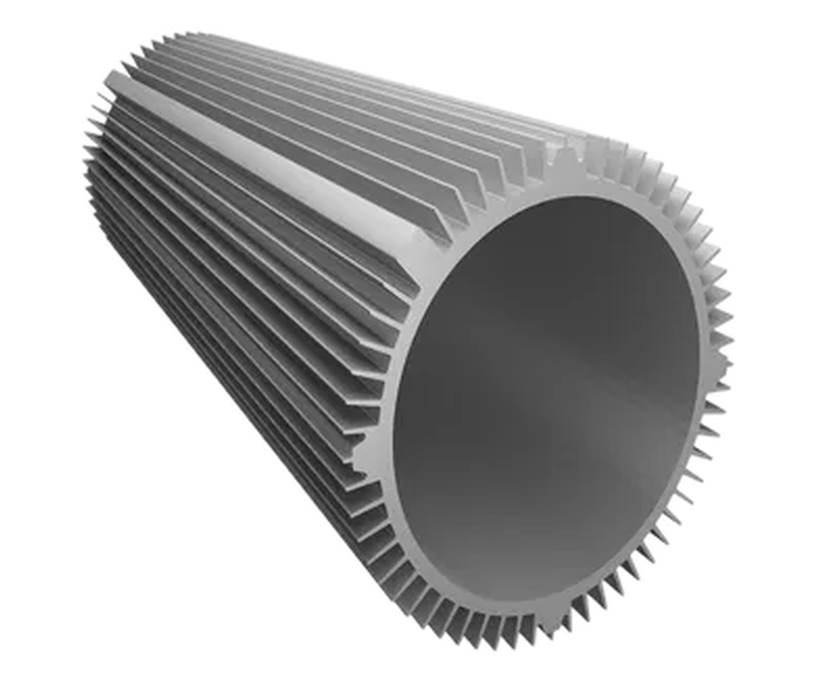
The right alloy depends on load, pressure, bore requirements and production volume. Neither alloy should be treated as a universal replacement without checking the finished motor housing design. The objective is not simply to select aluminum; it is to define a repeatable component that meets fit, thermal, electrical, corrosion and assembly requirements.
Use the following points to turn the application target into a manufacturable specification:
In addition, confirm the critical dimensions with the team responsible for tooling, machining and inspection. For example, a tolerance that works on a drawing may be impractical if the datum cannot be reached during machining.
The manufacturing route should be reviewed before the die, fixture or finish is committed. A practical sequence is:
Therefore, keep the drawing, sample approval, process specification and inspection plan aligned. If one changes, check whether the others still reflect the finished component.
Published minimum properties for 6061-T6 are commonly around 310 MPa tensile strength and 276 MPa yield strength, while 6063-T5 is commonly around 186 MPa tensile and 145 MPa yield. Values vary with product form, thickness and specification, so use the mill certificate or governing standard for design. The practical conclusion is still useful: 6061-T6 provides substantially more strength for highly loaded mounting, pressure or thin-wall sections.
6063-T5 generally extrudes more easily into complex fins, thin ribs and balanced hollow housings, and it commonly produces a smoother anodized surface. Its lower strength may be adequate when the motor load is carried by end plates and the housing primarily provides alignment, protection and cooling. A highly stressed bearing, threaded boss or pressure boundary can make 6061-T6 the more reliable choice.
Typical thermal conductivity is higher for 6063 than for 6061, but housing geometry and the thermal interface usually dominate the final result. Machining also changes the comparison: 6061 generally cuts cleanly, while 6063 can be gummy if feeds, tools and coolant are not controlled. Thread durability, bearing-seat wear and assembly torque should be tested on the actual alloy and temper.
For fatigue-loaded housings, avoid relying on a single static strength value. Joint details, surface condition, vibration, temperature and stress concentration affect life. If a design is close to the alloy limit, consider a section change or a qualified alternative such as 6005A rather than switching material without validation.
6061 and 6063 are not interchangeable merely because both are 6000-series alloys. A substitution can change die pressure, extrusion speed, straightness, anodizing appearance and machining behavior. Record the approved alloy and temper, then verify that the mill certificate and process plan match.
Inspection should focus on the characteristics that control fit and function. The exact sampling plan belongs in the approved drawing and purchase specification.
Ask the extrusion supplier and machinist to review the same housing boundary. The extrusion source may prefer 6063 for die fill, while the machining source may prefer 6061 for strength and chip control. The correct choice is the one that meets the complete motor duty with an approved inspection plan.
For repeat production, treat a change from T5 to T6 or from 6063 to 6061 as an engineering change. Verify strength calculations, machining parameters, anodizing appearance and fit.
Use 6061-T6 when strength controls the design, and 6063-T5 when complex extrusion and finish quality are leading requirements.
Confirm material properties against ASTM B221, the applicable EN or ISO product standard and the mill certificate. The Aluminum Association provides additional extrusion design context.
For a related production route, review motor housing materials and profiles or HIQ aluminum product families. You can also send the drawing to the engineering team.
Yes. In common tempers, 6061 offers higher yield and tensile strength, which can allow thinner or more highly loaded sections.
6061 generally machines more readily, while 6063 offers easier extrusion and smoother anodized appearance.
Not without checking strength, die design, machining, corrosion and finish. The substitution should be documented and approved.
