Address
304 North Cardinal
St. Dorchester Center, MA 02124
Work Hours
Monday to Friday: 7AM - 7PM
Weekend: 10AM - 5PM
Address
304 North Cardinal
St. Dorchester Center, MA 02124
Work Hours
Monday to Friday: 7AM - 7PM
Weekend: 10AM - 5PM

Compare anodized vs powder coated aluminum extrusion for durability, color, corrosion, masking, touch-up and industrial specifications.
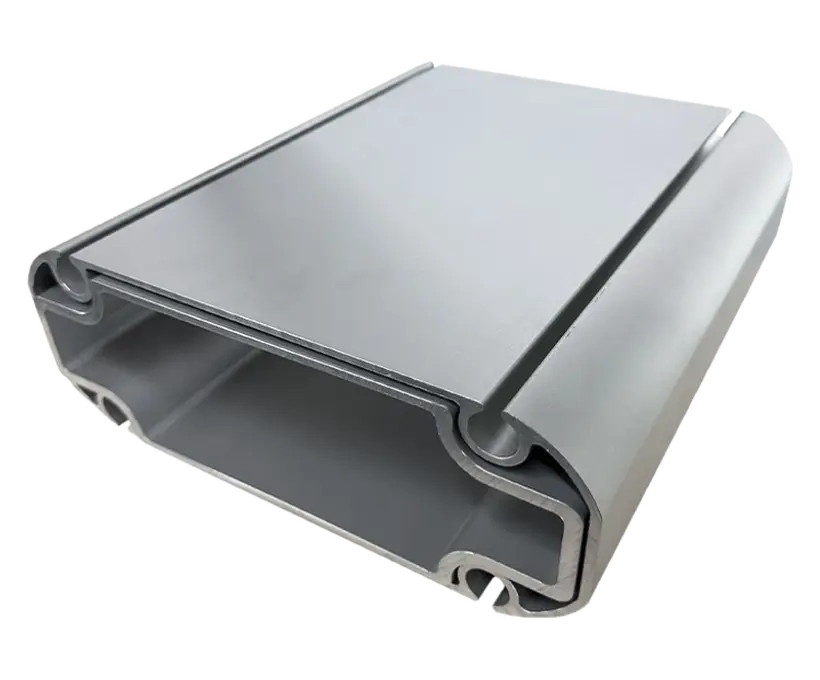
Anodized Vs Powder-Coated Aluminum Extrusion is best evaluated as a complete engineering and production decision. Anodized vs powder-coated aluminum extrusion depends on appearance, corrosion exposure, abrasion and masking requirements. Anodizing converts the metal surface, while powder coating adds a cured polymer layer.
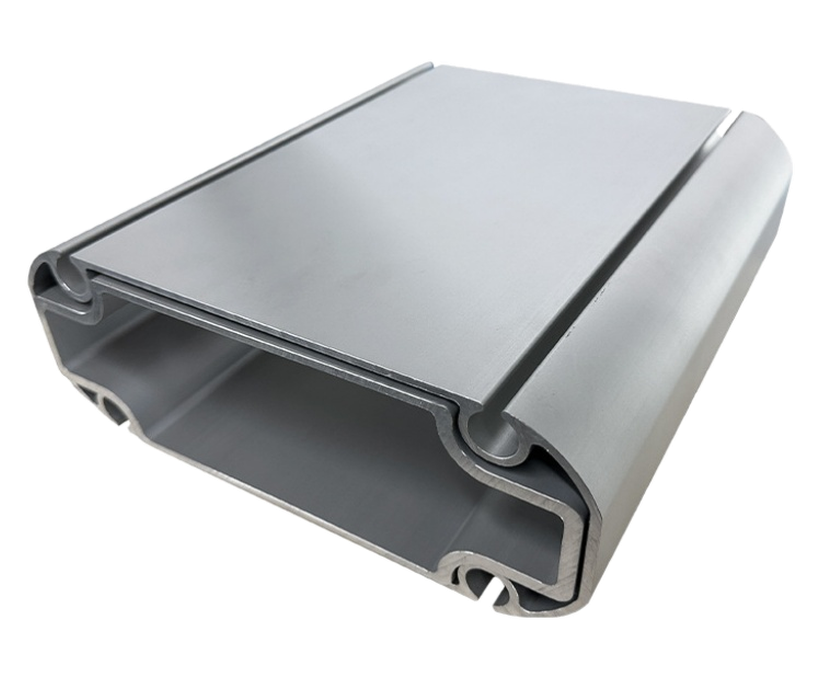
Anodized finishes preserve a metallic appearance and resist chipping, while powder coating provides broad color and texture options. The specified process must also account for electrical contact points, threads and assembly surfaces. The objective is not simply to select aluminum; it is to define a repeatable component that meets fit, thermal, electrical, corrosion and assembly requirements.
Use the following points to turn the application target into a manufacturable specification:
In addition, confirm the critical dimensions with the team responsible for tooling, machining and inspection. For example, a tolerance that works on a drawing may be impractical if the datum cannot be reached during machining.
The manufacturing route should be reviewed before the die, fixture or finish is committed. A practical sequence is:
Therefore, keep the drawing, sample approval, process specification and inspection plan aligned. If one changes, check whether the others still reflect the finished component.
Anodizing converts the aluminum surface into an oxide layer and generally preserves a metallic appearance. A sealed sulfuric-anodized surface can offer good abrasion and corrosion resistance, and it does not peel in the same way as a polymer coating. The oxide layer is hard and thin, but it can still be damaged by deep impact or aggressive cleaning. Powder coating adds a cured polymer layer that provides broad color and texture options, but impact damage can expose the metal beneath the film.
Outdoor UV exposure, salt, cleaning chemicals and abrasion should be stated explicitly. For architectural work, project specifications may reference recognized coating-performance standards. Industrial equipment may instead prioritize chemical resistance, color matching, grounding or a low-cost internal finish. The same “powder coat” or “anodized” label can cover very different processes and thicknesses.
Threads, bearing seats, electrical contact areas, sealing faces and precision fits may need masking or post-finish machining. Powder coating thickness can affect mating clearances, while anodizing changes the surface and can influence electrical resistance. If the housing depends on the coating for electrical isolation, that requirement must be tested rather than assumed.
Define the acceptance appearance with samples and lighting conditions. Color variation, gloss differences and minor extrusion lines can look very different after a finish. Pre-finish scratches and die lines may show through thin anodic layers even when the metal appeared acceptable before processing.
Powder coating is often easier to touch up visually, but a field repair may not restore the original corrosion performance. Anodized damage is difficult to blend invisibly. Choose the finish around the expected handling, installation and maintenance conditions, then include touch-up and rejection criteria in the purchase specification.
Inspection should focus on the characteristics that control fit and function. The exact sampling plan belongs in the approved drawing and purchase specification.
Quote both finishes only when each can meet the real exposure and appearance requirement. Ask for finish thickness, pretreatment, color standard, masking plan and the inspection method. A price per square metre without these details is not comparable.
Use a physical approved sample whenever color and texture matter. For repeat orders, retain the process specification and the original sample so a later batch can be judged against the same standard.
Both finishes are common on electronic enclosures, motor housings, architectural profiles and industrial equipment. The choice should be tied to the actual exposure and assembly requirement.
For finish performance and specification context, review the AAMA resources and the applicable ASTM coating or anodizing standard. The project specification should identify the exact class and test method rather than relying only on the finish name.
For a related production route, review coated electronic aluminum housings or HIQ aluminum product families. You can also send the drawing to the engineering team.
A correctly formed anodic layer is integral to the surface. Damage can still occur through deep scratches or aggressive mechanical contact.
It can cover minor surface variation, but dents and major scratches should be corrected before coating.
Powder coating is an insulator, while anodizing also affects surface conductivity. Specific contact areas often need masking or local preparation.
Start with the function of the surface. Anodizing converts the aluminum surface into an oxide layer and preserves a metallic appearance, which can suit visible machined components where wear resistance and dimensional control matter. Powder coating builds a polymer film and offers a broad color range, making it suitable for architectural and equipment components where color consistency and coverage are the main goals.
For either finish, define which surfaces are visible, which must remain conductive or coating-free, and where threads, bores or sealing faces require masking. Handling protection should match the final appearance: a finish can meet the approved sample and still be damaged by abrasive packing or unprotected contact during assembly.
For the wider manufacturing route, review aluminum extrusion services or send the finish specification to HIQ.
